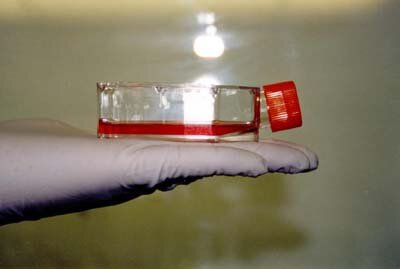
Cell therapy - It is a therapy using living cells and tissues of various origin [adult, embryonic (before 10 weeks old) and fetal (older than 10 weeks old)].
Embryonic tissues are a unique source of regional stem cells and precursor-cells that have high proliferative and differentiation potential, low immunogenicity, and a wide spectrum of biologically active substances such as embryospecific proteins, interleukins, and growth factors. When in the adult organism, embryonic or fetal cells engraft among pathologically changed and ageing clones, fill up missing clones of specialized cells, and increase processes of physiological and reparative regeneration in cells.
Basic research in the field of cryobiology has solved the problem of long-term storing of the cell material in low-temperature banks (-196°С), has allowed close control of bacterial and viral contamination, as well as estimation of the functional value of the cells. The creating of long term stores of embryonic allografts has resolved many issues regarding their clinical application.
Brief description of hematopoietic cells of human embryonic liver:
- hematopoietic cells of the human embryonic liver are bone marrow analogues owing to the presence of hematopoietic stem cells and precursor cells, yet their proliferative activity is dozens of times higher than that one in bone marrow
- they do not contain the antigens of the class II major histocompatibility complex on their surface what makes them tolerant towards recipient
- high sensitivity to humoral factors stimulates hematopoietic cell proliferation and allows a quick recovery of a of missing cell units deficiency. Two unique properties of these cells, plasticity and mobility, also contribute to that recovery
- biologically active substances available in the embryonic liver make it an effective tool against the fall of functional activity of specialized cells, organs, and organ tissues of a recipient
- they can be used as an object for gene engineering with the purpose of gene therapy for hereditary diseases
- along with the stimulation of antitumor immunity and direct antitumor action, embryonic hematopoietic cells can decrease significantly the side effects of chemotherapy as well as increase its efficiency
Cell therapy using embryonic hematopoietic tissue is recommended for treatment of the following diseases:
- blood diseases including congenital and acquired anemic conditions
- malignant neoplasms and cytostatic disease
- vascular, cardiac and brain diseases
- autoimmune and immunodeficient conditions
- diabetes mellitus
- cirrhosis
- myasthenia
- Duchenne"s dystrophy
- Parkinson"s disease
- vascular dystonia and neuroculatory dystonic
- allergic diseases
- infectious diseases of bacterial and viral origin, sepsis, and AIDS
- sexual pathologies in men and women
- impotence in men
This list is not limited to the listed diseases and will be continuously extended.
Therapy using embryonic neural tissue is recommended for correction of the following pathological conditions:
- apallic syndrome
- cerebral atrophic active conditions
- epilepsy and convulsive symptoms
- cerebral spastic infantile paralysis
- consequences of serious craniocerebral injuries and strokes
- oncological diseases of CNS
- Parkinson"s disease
- demyelination diseases of the nervous system
Each sample of a cell transplant has an analytical passport, which is a guarantee of its quality. All biological material undergoes strict bacterial and viral control by PCR methods according to international standards. Estimation of viability and functional value by culturing in vitro provides efficiency and safety for its clinical application.